 Login
Login


 Products


 Go Back to blog listing page
List of Building Materials for Green Construction



Green construction in India is not just a trend, but an evolving reality. In 2021, the green building market in the country was valued at an impressive $21.0 billion, showcasing a growth of 5.1% from the previous year. This sector has been consistently expanding, with a compound annual growth rate of 7.2% from 2017 to 2021. This rapid growth is expected to continue, with projections indicating that the green building market in India could reach $30-40 billion by 2030, creating substantial investment opportunities in the sector.
The following article will explore the variety of green construction materials available for creating green buildings, showcasing how they play a crucial role in promoting green construction practices across India.
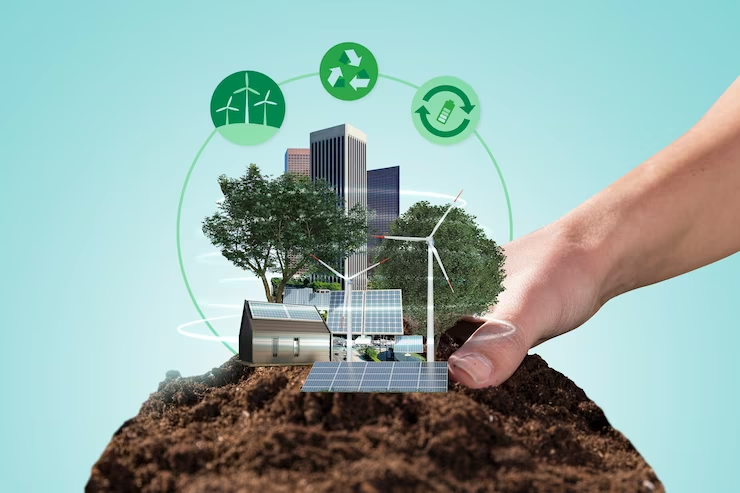
What are Eco-Friendly Materials?
Eco-friendly materials are good for our planet and are used in green construction. These materials come from sources that can be replaced, like plants that grow back again, or they can be recycled. Unlike regular materials, eco-friendly materials are not taken from sources that will run out. They are strong and can stay good in hot, cold, or wet weather. These eco-friendly building materials help in making buildings that do not harm our surroundings. They are a smart choice because they cause less pollution and waste.
When you use eco-friendly materials, you can help in keeping the environment clean and safe. This is why green construction is becoming a popular choice for building new homes and buildings.
Certainly! Here's a section explaining the benefits and applications of eco-friendly materials in bullet points, using simple language:
Benefits of Eco-Friendly Materials
- Good for the Environment: These materials cause less harm to nature. They come from sources that don't run out or can be recycled.
- Saves Energy: Using these materials often requires less energy, both in making them and in using them in buildings.
- Reduces Waste: They create less waste because they can be used again or come from renewable sources.
- Healthier Living: Buildings made with eco-friendly materials are better for health. They have fewer chemicals that are bad for people.
- Cost-Effective in the Long Run: Although they might cost more at first, over time they save money because they last longer and use less energy.
List of Eco-Friendly Materials
In the drive towards creating environmentally friendly structures, green construction materials play a pivotal role. They are not only derived from renewable or recyclable sources but also contribute to the overall sustainability of a building. Using green materials for building construction promotes a healthy environment.
Here is a list of some eco-friendly building materials:
- Bamboo: Bamboo is a renewable material. It's not a tree but a type of grass that grows in many places except very cold or dry areas. Bamboo is strong and can be used in place of wood for things like floors or cabinets. However, it needs some treatment to keep away bugs and rot.
- Cork: Like bamboo, cork grows back even after being harvested and is a good natural building material. It's soft yet durable, making it a good material for floors. Cork also helps to keep noise down and provides insulation to keep a building warm or cool. It's also fire-resistant and doesn't rot easily.
- Straw Bales: Straw is another green material that can be used in buildings. Baled straw can be used as walls and provides good insulation to keep the noise out and the inside temperature steady. Straw grows back every year and turning it into bales has a small impact on the environment.
- Reclaimed Wood: Using wood that's already been cut and used for something else is a way to save trees. Reclaimed wood can come from old buildings, shipping crates, or other sources and can be used for framing, flooring, and more. However, it may need some treatment to keep it free from bugs.
- Sheep's Wool: Wool from sheep is a natural insulator that can replace man-made insulation materials. It helps to keep buildings warm or cool and is easy to obtain without harming the sheep. Wool also helps to keep noise down and lasts a long time without breaking down.
Closing Thoughts
Using natural building materials is a great way to take care of our environment. The list of eco-friendly materials we discussed shows that there are many good options for people who want to build in a green way. These sustainable materials are not only good for nature, but they also make our homes and buildings healthier places to live and work. The materials used in green buildings are strong, look good, and help save our planet. As more people in India and other places choose green ways to build, using these friendly materials is a smart choice.
Visit IIFL Home Loan to learn more about green and affordable housing!
FAQs
1. Why is green construction important?
It's important because it helps to reduce the harm done to the environment from building activities. It also creates healthier living and working spaces for people, and can even save money over time by using less energy and water.
2. What are some examples of sustainable materials used in green construction?
Some examples of sustainable materials are bamboo, cork, reclaimed wood, straw bales, sheep's wool, and HempCrete. These materials are either renewable, recyclable, or both, and have less negative impact on the environment compared to traditional building materials.
3. How does green construction help the environment?
Green construction helps the environment by using materials and methods that reduce pollution, waste, and energy use. It makes use of natural building materials and green construction materials that are renewable or recyclable.
Tags

Most Read Blogs


What can we help you with?

Home Loan

Secured Business Loan

Balance Transfer

Home Improvement Loan

Home Loan for Uniformed Services

NRI Home Loan
Home Loan
Secured Business Loan
Balance Transfer
Home Improvement Loan
Home Loan for Uniformed Services
Get instant support with existing loan related queries

Raise a Request Get instant access to your existing Loan Account with us Raise a Ticket 

Call Helpline Speak with our Customer Support Executive on 1860 267 3000

Visit Nearby Branch You can walk into any of our 370+ branches, spanning across 18 states Get Directions
Our Brands & Subsidiaries


Insurance Partners


HDFC Life Insurance
Learn more
Bajaj Life Insurance
Learn more
ICICI Prudential Life Insurance
Learn more
Go Digit General Insurance
Learn more
Aditya Birla Capital Insurance
Learn more
Bajaj Allianz General Insurance
Learn more


