 Login
Login


 Products


 Go Back to blog listing page
Green Construction: Methods, Benefits, and Hurdles to Build Eco-friendly Homes



Imagine living and working in spaces built using natural materials that enhance your well-being and save the planet from environmental degradation. That's the core philosophy of green construction. Amidst growing concerns for climate change and sustainability globally, many countries, including India, have started adopting green construction practices.
According to a recent report, 61% of grade-A office stock in the country is green-certified. The market share for green buildings is estimated to register a compounded annual growth rate of 20% between 2021 and 2026.
Read this blog post to learn about green construction methods, benefits, and challenges.
What is Green Construction?
Green construction focuses on reducing environmental footprints and maximizing efficiency during the lifecycle of a building. It includes energy efficiency, water conservation, sustainable building materials, innovative site designs, and waste reduction.
Using eco-friendly practices and technologies such as energy-efficient appliances, renewable energy sources, and low-carbon materials, green construction aims to provide long-term sustainability.
Green Construction Methods
Eco-housing development involves the utilization of various green construction techniques, such as the following:
-
1. Solar systems tap solar power by absorbing the sun's radiation. For example, setting up solar cookers or ovens in open spaces with lots of sunlight helps you boil water or cook food using solar energy. Solar panels reduce your dependence on fossil fuels and lower carbon emissions.
-
2. Rainwater harvesting: Eco-friendly homes have rainwater harvesting systems to collect, conserve, and store rainwater. These systems arrest water runoffs during heavy rains and minimise flooding, drainage overflows, and soil erosion.
-
3. Green roofs, also called living roofs, are sustainable roofing systems comprising a waterproofing membrane, growing medium (soil), and vegetation. They reduce the need for artificial heating or cooling, improve air quality, lower greenhouse gas emissions, and nurture local biodiversity.
-
4. Smart homes: Smart appliances and home automation are indispensable parts of eco-friendly house construction. They optimize power usage, saving end-use energy consumption and costs. For example, heating, ventilation, and air conditioning systems with a thermal-efficient cum intelligent design regulate indoor temperature and humidity levels as per occupancy and changing weather. Smart lighting solutions lower energy usage by 80%.
Other popular green construction methods include energy-efficient windows and doors with cutting-edge insulation, waste management systems, recycled materials, and geothermal heating.
What are the benefits of Green Construction?
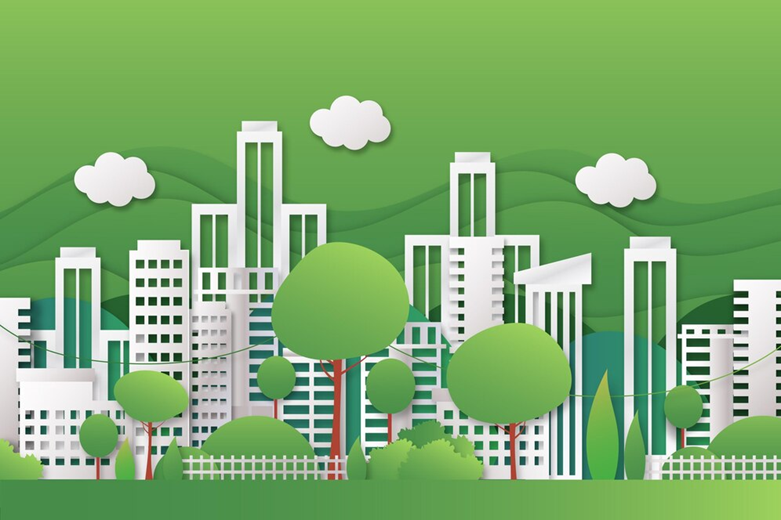
Green construction promotes sustainable building solutions, minimizes carbon footprints, and prevents the depletion of natural resources. They also offer the following benefits:
-
1. Promotes healthy living: Green construction improves your health and quality of life. It uses green building materials with no toxic volatile organic compounds (VOCs) or plastic by-products that release carcinogens and noxious fumes into the air. Thus, eco-friendly constructions lower the risk of developing respiratory disorders, allergies, and cancer.
-
2. Protects ecosystems: Green architecture minimizes the adverse effects of global warming, pollution, and climate change. Vegetated roofs, cleaner indoor and outdoor air, and energy optimisation enable different flora and fauna to thrive. Thus, green constructions help preserve natural habitats and ecosystems.
-
3. Makes structures resilient: Structures constructed using eco-friendly building materials last longer, endure hostile weather, and require less maintenance.
-
4. Saves energy, resources, and costs: Energy, resources, and cost-efficiency lie at the core of green construction. Green designs lower your reliance on non-renewable energy sources like electricity and coal. They help you harness the power of renewable sources such as solar, water, and wind energy. Thus, green constructions decrease infrastructure development costs and utility bills.
-
5. Conserves water: Green constructions incorporate water-efficient practices, like installing water-saving plumbing fixtures, water purifiers, and rainwater harvesting systems. These measures ensure the conservation, reuse, and replenishment of water resources.
What are the challenges of Green Construction?
Implementation of green construction practices entails the following hurdles:
-
1. High initial investment: Building low-carbon structures requires real estate developers to make significant investments and incur higher upfront costs. They transfer these extra costs to buyers, potentially increasing the prices of green properties.
-
2. Scarcity of green building materials: Sustainable building materials are not readily available and are expensive. Additionally, skilled manpower proficient in green construction methods is in short supply.
-
3. Regulatory compliance: Regulatory obstacles in green construction include adhering to prescribed environmental standards, building codes, certification requirements, zoning ordinances, and land-use specifications. For example, to obtain an Indian Green Building Council (IGBC) Certification, builders must fulfil all the mandatory requirements and score a minimum number of points in various parameters such as site planning, water conservation, materials and resources, etc.
Besides, property laws vary across states and approval processes involve multiple stakeholders.
Final Words
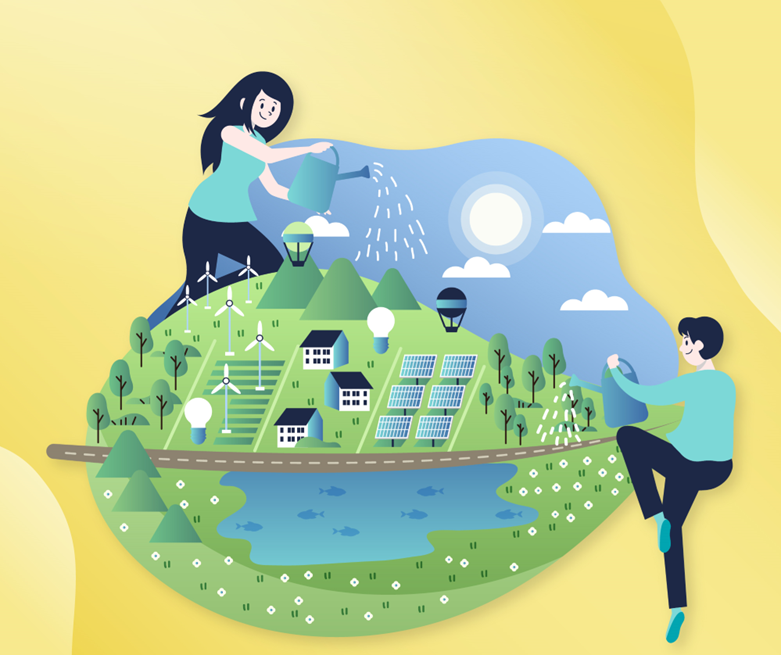
The long-term benefits of green construction outweigh the costs of managing its inherent challenges. Thus, you must choose an eco-friendly home over a conventional space, even if it may be costlier.
IIFL Home Loans tailors your home loan amount at affordable rates based on your financial needs and property requirements. Visit IIFL Home Loans today for more details.
Tags

Most Read Blogs
Green and Sustainable Homes


Frequently Asked Questions (FAQ’s)
Q1. Are eco-friendly homes expensive?
Ans:
Green homes may cost 15% more than traditional houses, while green buildings may be priced 3-5% higher than conventional structures.
Q2. What role do financial institutions play in encouraging green construction?
Ans:
Some financial institutions, like IIFL Home Loans, have partnered with eminent organizations like IGBC, ADB, EESL, etc., to build sustainable and affordable homes using green technologies.
They also issue green bonds, establish green financing options for eco-housing projects, and assist property developers in obtaining green certifications.
Q3. What is LEED certification?
Ans:
LEED (Leadership in Energy and Environment Design) is a globally recognized green building rating system developed by the United States Green Building Council (USGBC). It provides a framework for building healthy, cost-saving, and highly efficient structures that do not negatively impact the environment. In 2023, India ranked #3 in USGBC's list of top 10 countries for LEED certification.
Q4. How to fund the purchase of an eco-friendly home?
Ans:
A housing loan is the best way to finance your dream home, whether eco-friendly or traditional.
Q5. How many green-certified projects does India have?
Ans:
As of March 2024, 3653 projects in India are fully green-certified and operational.
What can we help you with?

Home Loan

Secured Business Loan

Balance Transfer

Home Improvement Loan

Home Loan for Uniformed Services

NRI Home Loan
Home Loan
Secured Business Loan
Balance Transfer
Home Improvement Loan
Home Loan for Uniformed Services
Get instant support with existing loan related queries

Raise a Request Get instant access to your existing Loan Account with us Raise a Ticket 

Call Helpline Speak with our Customer Support Executive on 1860 267 3000

Visit Nearby Branch You can walk into any of our 370+ branches, spanning across 18 states Get Directions
Our Brands & Subsidiaries


Insurance Partners


HDFC Life Insurance
Learn more
Bajaj Life Insurance
Learn more
ICICI Prudential Life Insurance
Learn more
Go Digit General Insurance
Learn more
Aditya Birla Capital Insurance
Learn more
Bajaj Allianz General Insurance
Learn more


